Looking Beyond the Headlines
The apparel industry is no stranger to change, whether through evolving consumer expectations, material innovation or increasing regulatory requirements.
One area currently attracting considerable attention is EU Customs Reform, following a recent industry seminar we attended hosted by DHL.
While much of the discussion understandably centred on customs processes and legislation, it also highlighted a broader theme that continues to emerge across our industry: the growing importance of accurate information, transparency and well-managed international supply chains.
More Than a Customs Update
The reforms introduce a number of changes affecting goods entering the European Union, particularly around lower-value shipments, customs declarations and importer responsibilities. They also place greater emphasis on the quality and consistency of shipment data provided during the import process.
For many brands, these changes will simply become another consideration when trading internationally.
However, they also highlight how decisions made much earlier in the sourcing and product development process can ultimately affect the commercial journey of a product.
Where You Source Can Matter
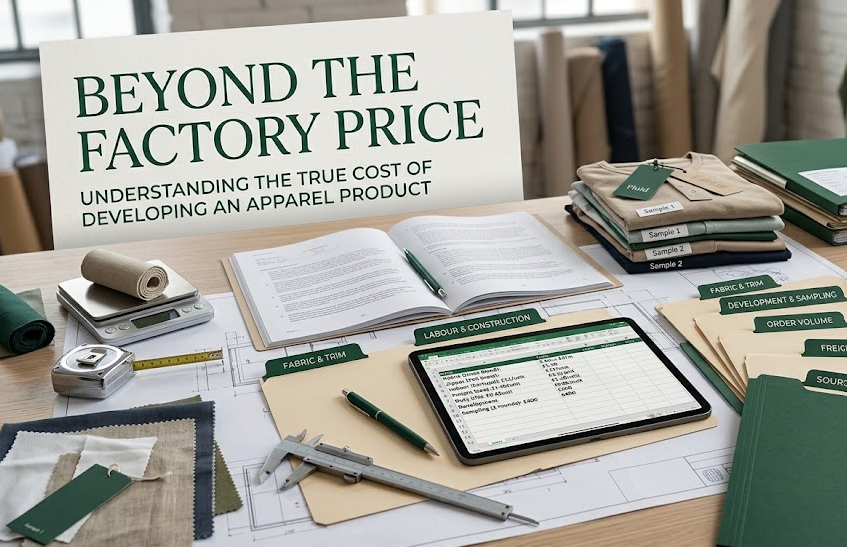
The price quoted by a manufacturer is only one part of the overall cost of bringing a product to market.
Where a product is sourced can have implications for the duties payable when it reaches its destination. This means two apparently similar manufacturing options can potentially produce different commercial outcomes once duties, freight and other associated costs are considered.
For brands supplying multiple international markets, the picture can become more complex again.
Production may need to be split between different destinations, each with its own logistical and cost considerations. Understanding these implications early can help brands make more informed sourcing decisions rather than addressing them once production is already underway.
The Value of Good Preparation
As supply chains become more connected and regulations continue to evolve, having clear product information and well-organised documentation is becoming increasingly valuable.
Whether it is understanding where products originate, maintaining accurate specifications or ensuring the necessary information is available when required, structured preparation can help make international supply significantly smoother.
Much of this work happens long before products leave the factory.
Supporting Brands Selling Internationally
Fluid Sourcing works with brands supplying customers in Europe and worldwide, and our involvement often extends beyond simply identifying a suitable manufacturing partner.
While we do not advise clients on their sales strategy, our experience across international supply chains enables us to help them consider practical issues such as:
- The duty implications of sourcing from different parts of the world
- Managing split shipments across multiple destinations
- Understanding the associated freight and cost implications
- How sourcing decisions can affect the wider commercial viability of a product
Having worked with different brands, suppliers and international markets over many years, we can also share practical examples and experience to help clients understand the potential implications of different sourcing and supply decisions.
Looking at the Wider Commercial Picture
This broader understanding becomes particularly important when deciding not simply where a product can be manufactured, but where it makes the most commercial sense to manufacture it.
The lowest factory price does not necessarily translate into the lowest overall cost once duty, freight, logistics and destination requirements are taken into account.
For brands operating internationally, considering these factors alongside product quality, technical capability and manufacturing suitability can provide a much clearer picture when comparing sourcing options.
Looking Ahead
EU Customs Reform will continue to develop as implementation progresses.
For apparel brands selling internationally, it is another example of how product development, sourcing, logistics and landed cost are becoming increasingly interconnected.
Understanding those relationships earlier in the development process can help brands make more informed decisions, anticipate potential costs and create a more considered route from manufacture to market.
If you’re developing an apparel product for international markets and would like to discuss the sourcing and supply considerations involved, contact Heather and the Fluid Sourcing team.