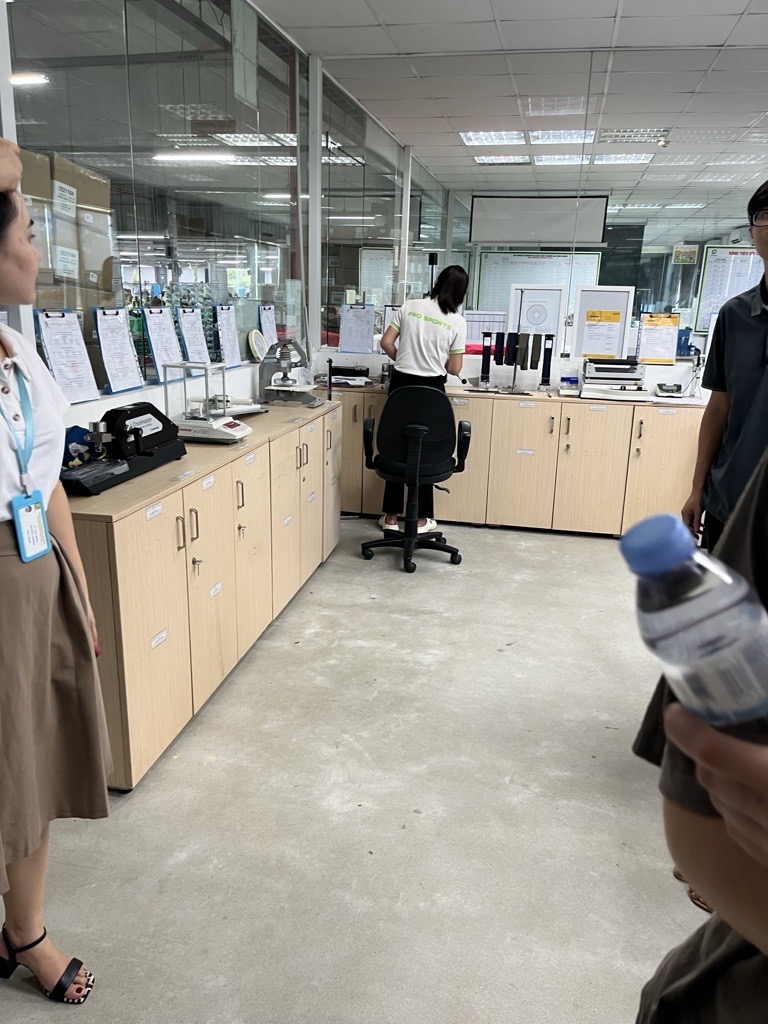
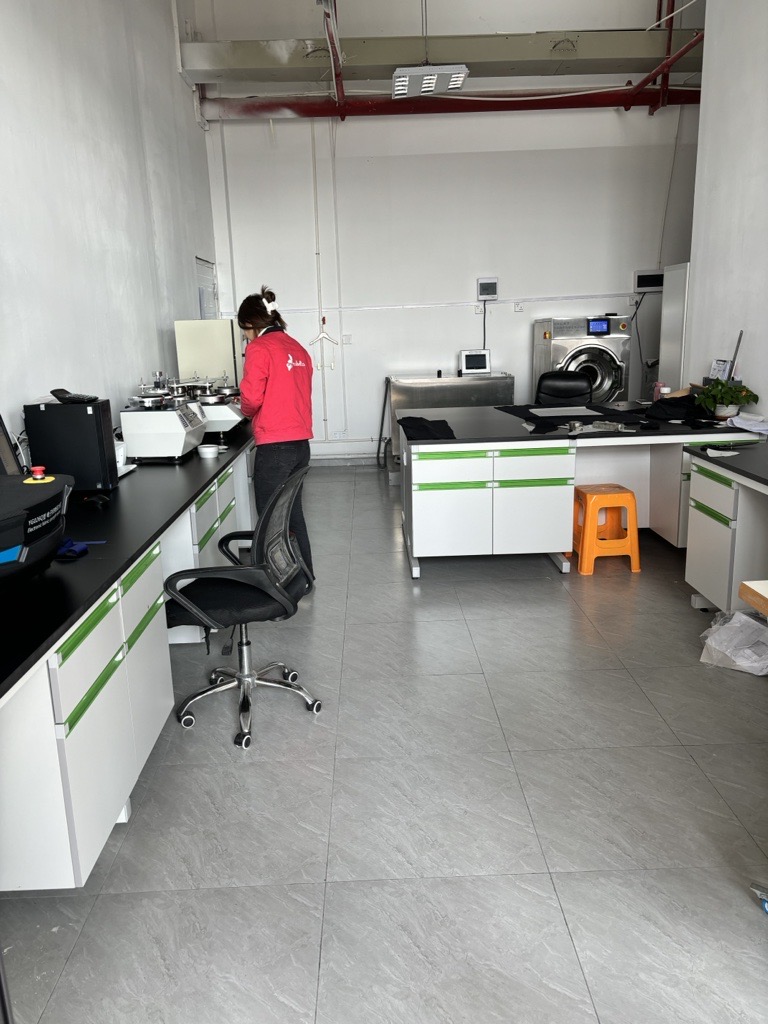
The Commercial Risk of Garment Failure
Recent high-profile product withdrawals in the performance apparel market highlight an uncomfortable truth: technical garments are unforgiving. When structural integrity, stretch recovery, or fabric opacity fails under real-world conditions, the commercial impact can escalate quickly.
For performance categories such as sportswear, golf, and emerging segments like padel, garments are subjected to dynamic movement, repeated strain, and varied environmental conditions. What appears acceptable during early sampling can behave very differently in live use.
Technical apparel development is therefore not merely a production process. It is a structured form of risk management.
What Technical Apparel Development Involves
Technical apparel development refers to the disciplined process of transforming a garment concept into a commercially viable, performance-tested product. It extends beyond fabric selection and includes:
- Structured sampling stages
- Performance fabric validation
- Fit assessment across graded sizes
- Durability and wash testing
- Compliance review
- Controlled bulk production sign-off
Each stage introduces oversight. Each checkpoint reduces uncertainty.
Where Performance Issues Typically Originate
Garment failure rarely stems from a single dramatic flaw. More often, it results from incremental oversights within the development lifecycle.
Common pressure points include:
- Insufficient stretch and recovery testing
- Limited opacity testing under movement
- Inadequate real-condition wear trials
- Inconsistent grading across production runs
- Accelerated timelines that compress sampling rounds
When commercial deadlines override structured validation, risk accumulates.
The Role of the Garment Sampling Process
The garment sampling process is not simply about aesthetics or minor design refinement. It is a technical validation stage.
A structured sampling approach typically includes:
- Feasibility review of fabric and construction
- Prototype creation
- Fit validation and grading adjustments
- Performance testing under movement
- Durability and wash assessment
- Cost modelling and margin confirmation
- Final approval before bulk production
This progression ensures garments perform not just in controlled settings, but under realistic consumer use.
Commercial Consequences of Weak Oversight
Without disciplined apparel quality control systems, brands may encounter:
- Increased product returns
- Retailer dissatisfaction
- Negative social amplification
- Costly rework or withdrawal
- Erosion of consumer trust
For well-financed start-ups and established brands undergoing margin recovery, these outcomes are commercially destabilising.
Structured technical apparel development provides stability.
Protecting Brand Equity Through Process Discipline
In competitive apparel markets, brand strength is often associated with marketing visibility. In practice, product reliability determines long-term viability.
Structured development ensures that garments perform as intended — not only at launch, but throughout their lifecycle.
Process discipline is not restrictive. It is protective.